Comment Period Open through Sept. 21
The U.S. Department of Agriculture has taken its most significant step yet toward eliminating the Roadless Rule, the 25-year-old regulation that has kept roads out of nearly 45 million acres of national forest backcountry. Agriculture Secretary Brooke Rollins announced Aug. 18 that the Forest Service had filed a proposed rule to fully rescind the 2001 Roadless Area Conservation Rule, along with a Draft Environmental Impact Statement weighing alternatives ranging from leaving the rule intact to scaling back its protections. The Forest Service published the formal proposal Aug. 20, opening a comment period that runs through Sept. 21.
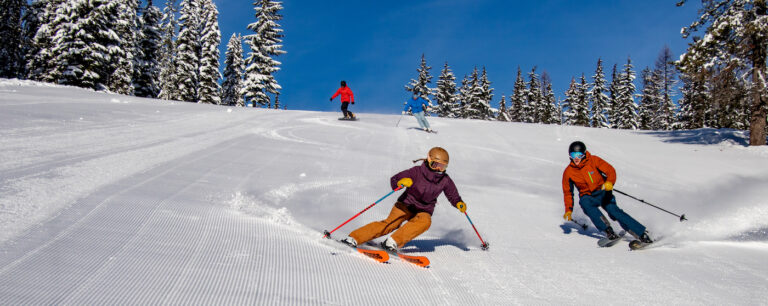
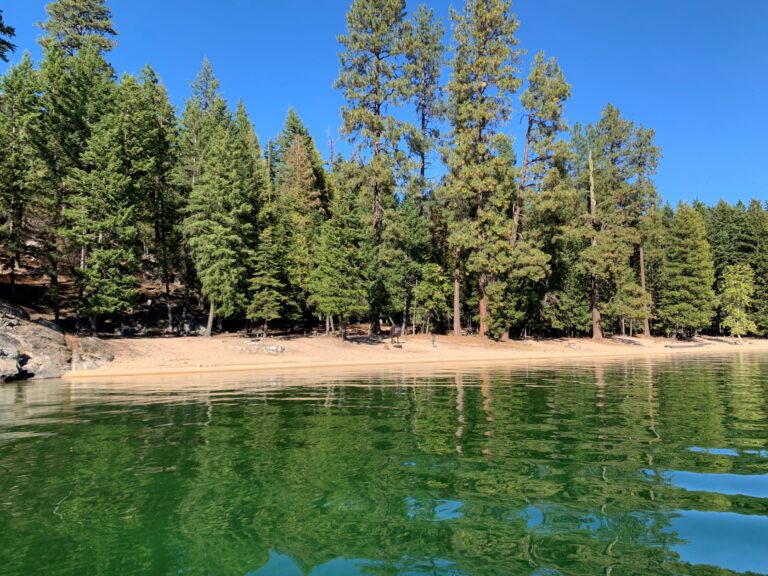
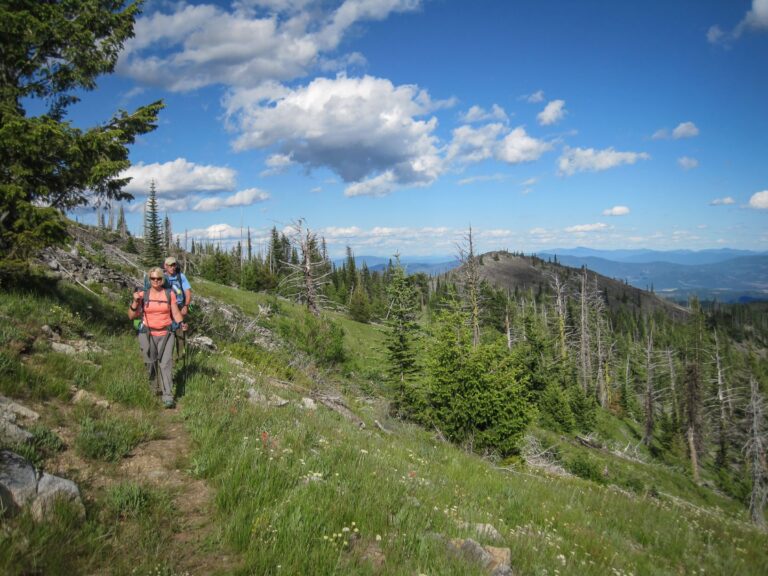
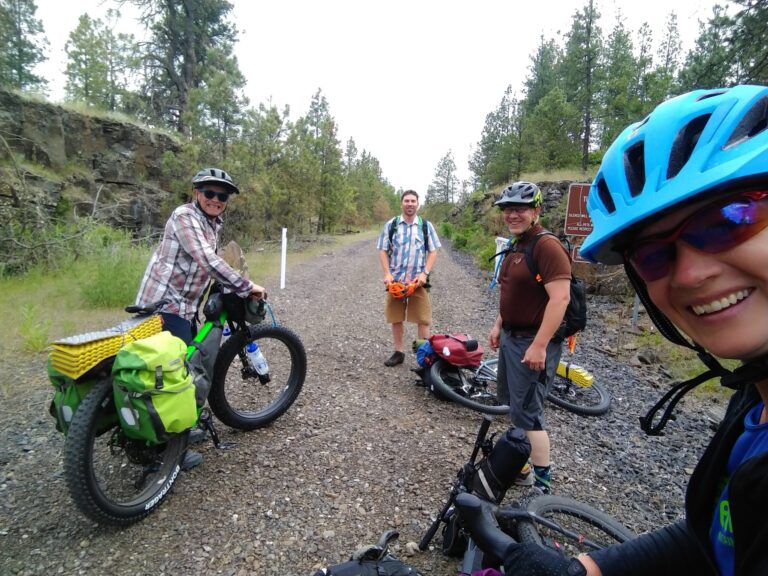
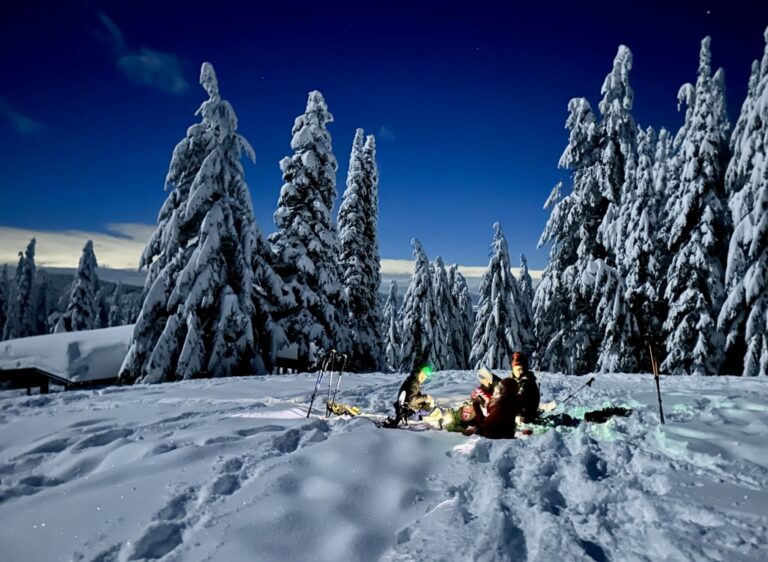
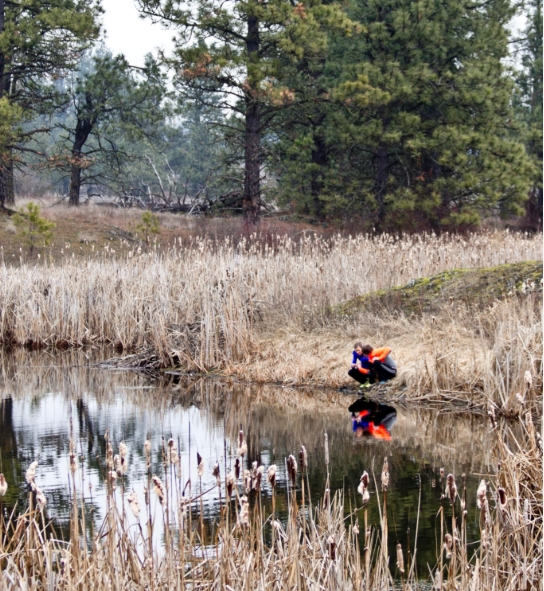
The rule currently shields roadless tracts in 37 states; Idaho and Colorado maintain their own versions. Supporters call these lands some of the last, best backcountry left in the country: prime habitat for elk, mule deer, bears and many other species of wildlife, cold and clean headwaters for drinking water and trout streams, and a draw for hikers, mountain bikers, hunters, anglers, wildlife watchers and anyone who loves quiet, undeveloped mountain experiences. Under current rules, “roadless” doesn’t mean off-limits—biking, hunting, fishing, grazing and even motorized recreation on authorized trails all remain allowed, and crews can still thin vegetation and restore habitat without building new permanent roads that cost taxpayers money.
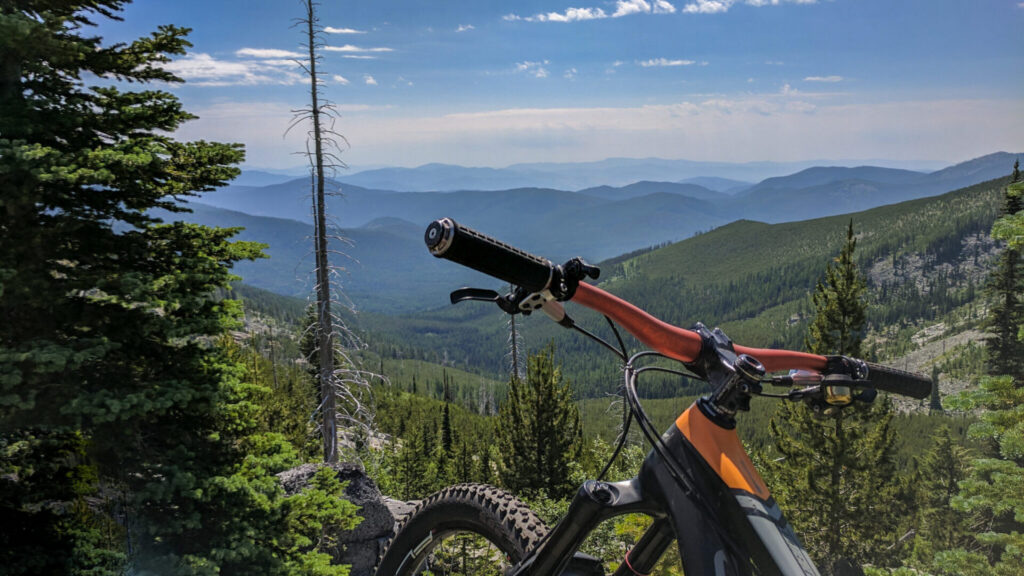
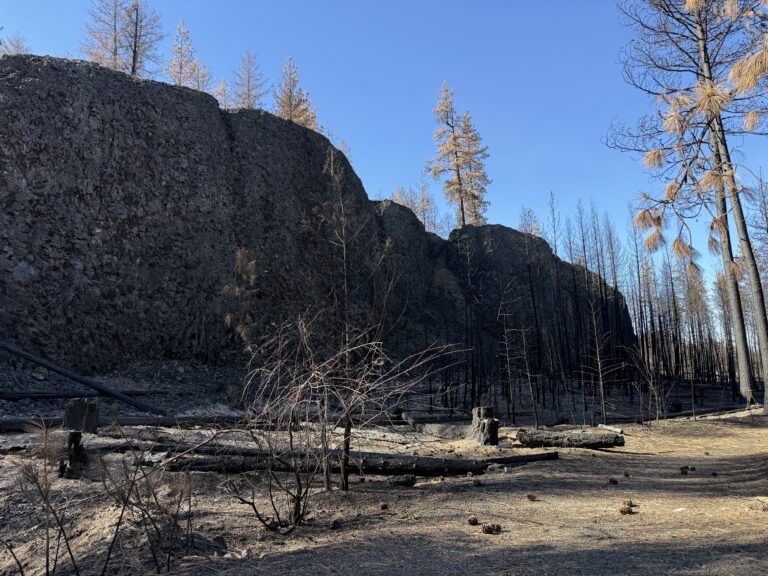
Opponents of rescinding the Roadless Rule, including many outdoor recreation and conservation organizations, also push back against arguments that wildfire risk justifies repealing this highly popular administrative rule. Most public lands roadless areas are far from population centers in remote locations, and roadless lands advocates also point to research showing that most wildfires are human caused and four times more likely to start near roads than in roadless forests.
Conservation and recreation advocates also note that the Forest Service already oversees more than 370,000 miles of roads—more than eight times the length of the entire interstate highway system—with a maintenance backlog exceeding $10.8 billion. “This isn’t fixing a broken system—it’s bulldozing one that already works,” says Devin O’Dea, a Western conservation and policy manager for the hunting, fishing and conservation organization Backcountry Hunters & Anglers. When the Forest Service first adopted the rule in 2001, more than 99% of a then-record 1.6 million public comments favored keeping it. The public can weigh in through the Federal eRulemaking Portal by searching RIN 0596-AD66 or docket FS-2025-0001 until Sept. 21, 2026.