By Jon Jonckers
Cover photo courtesy of Jon Jonckers
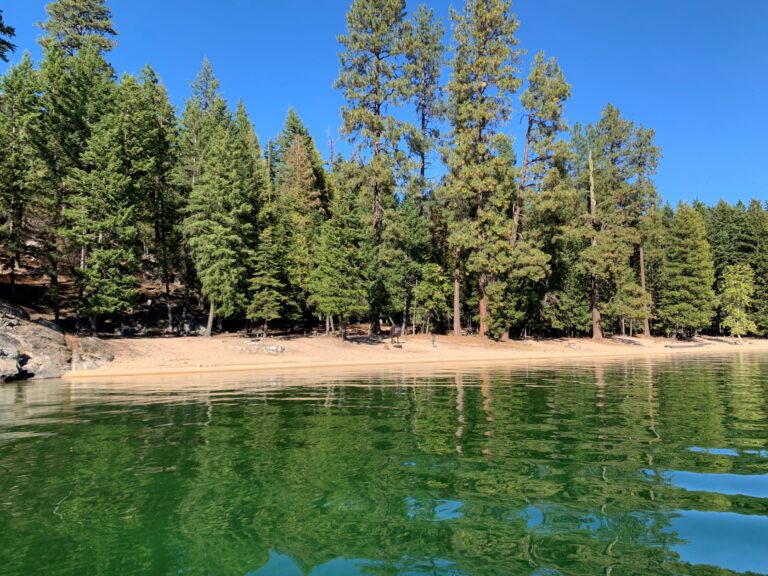
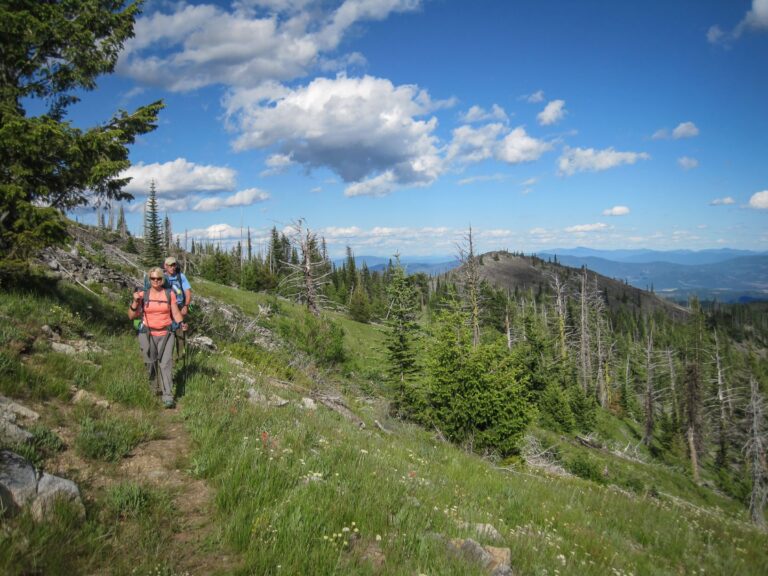
Turnbull National Wildlife Refuge encompasses approximately 23,000 acres of marshes and channeled scablands about 4 miles south of Cheney. The combination of basalt outcrops, canyons, ponderosa pine and undulating meadows provides a year-round diverse landscape. It blends the dry, arid grasslands of the Columbia Basin with some lush forest normally found in more mountainous terrain. While most of the refuge is dedicated for wildlife and rightly outside of visitor access, the 5.5-mile scenic tour road is a real local treasure.
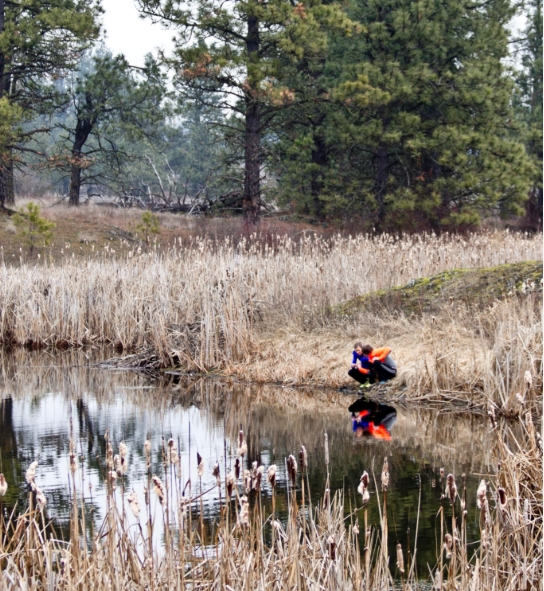
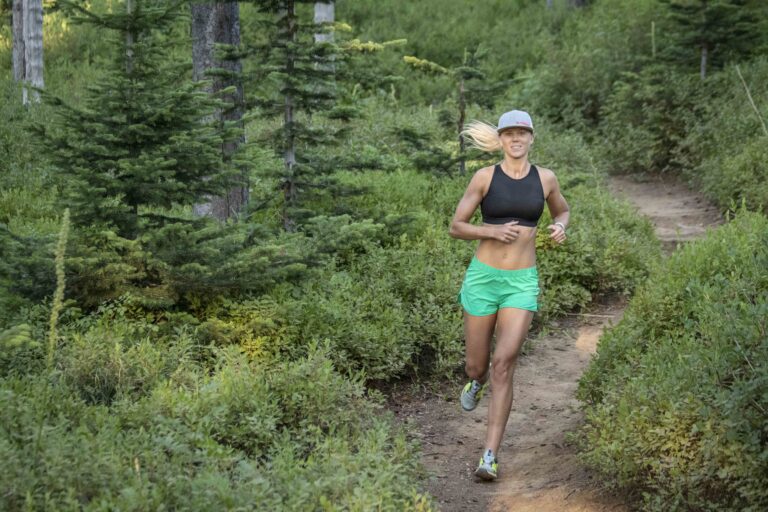
Several years ago, my buddy and I wanted to prepare for a backpacking trip and get in shape for Bloomsday. Usually, whenever I coordinated training with someone, we would meet at various trailheads or different run clubs. However, this friend couldn’t drive due to some medical reasons, so I would drive to his place in Cheney, and we would run the Turnbull loop together. We didn’t meet every weekend, but we did meet frequently enough that both of us could probably run the loop blindfolded.
We ran in snow, rain, dust and early in the mornings. Sometimes we carried too much water; other times we didn’t carry enough. But the most impactful running magic happened in two distinct ways. First, we became increasingly aware of each other’s strengths, cadence and running attitude. Second, every run was just a little different due to the flora and fauna. We encountered herds of deer, migrating birds, a few rare owl sightings, beautiful wildflower blooms and some inspiring sunrises. I know neither of us boasted a remarkable Bloomsday time that year. But the time spent plodding along the Turnbull loop, breathing the wilderness air, spotting uncommon wildlife and sharing deep thoughts made that one of the most memorable training blocks of my life. It also ensured a deep affection for that wildlife refuge.
Back in the 1970s, Turnbull NWR aimed to protect migratory waterfowl, with a focus on redhead ducks. Today, 17 species of waterfowl either nest there or pass through on migration, with up to 30,000 ducks and geese and several hundred tundra swans stopping over each spring and fall. Moving forward, habitat management has transitioned toward biological diversity with multiple objectives. If you want to learn more, or want to become involved, I encourage you to look up the Friends of Turnbull National Wildlife Refuge.