By Bruce Howard
Cover photo courtesy of The Spokesman Review
When I first came to Spokane in 1983, it was my first time “out West,” even though I’d grown up in Texas. I’d long looked at maps, but still, the scale and diversity of public lands around Spokane were amazing. As a kid, we often took excursions in my Explorer Post on private lands.
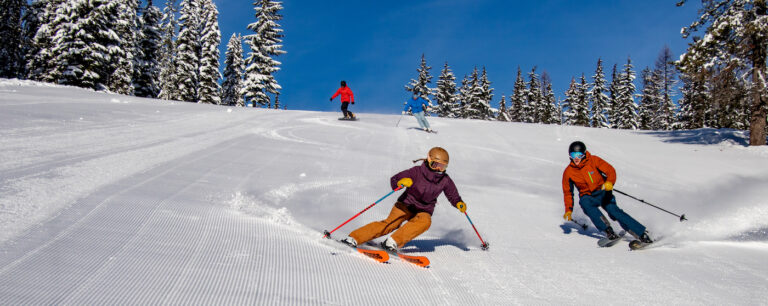
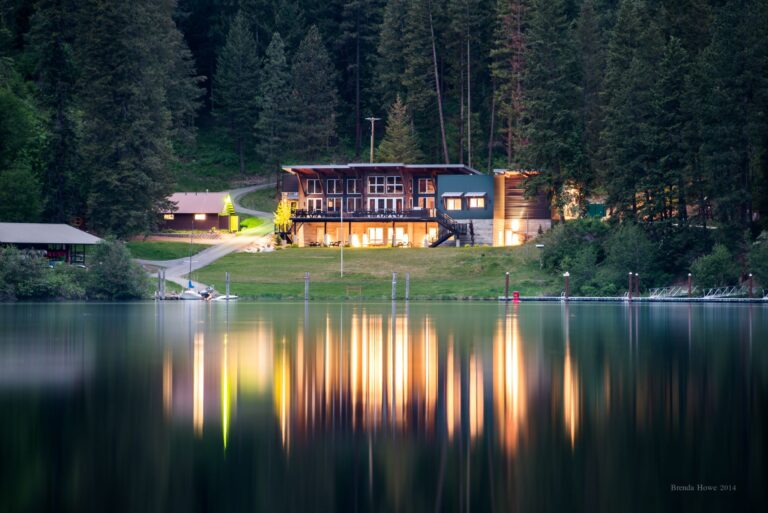
What (or, “who”) brought me to Spokane was my wife-to-be, Debra Linder. She grew up on Mount Spokane. Her father John and grandfather Al built Linder’s Lodge (now Bear Creek Lodge), based on a “sketch on the back of a napkin.” The family homesteaded on the mountain, eking out a living by logging, snowplowing and other contract work, later opening a gas station and installing chains for those driving the marginal road up the mountain.
Mount Spokane stands out in the landscape: a granitic dome formed by underground magma flows between 50 and 100 million years ago, resisting erosion as the continent lifted. It’s always been an attraction, beginning with the Interior Salish peoples who first inhabited here—and who still do.
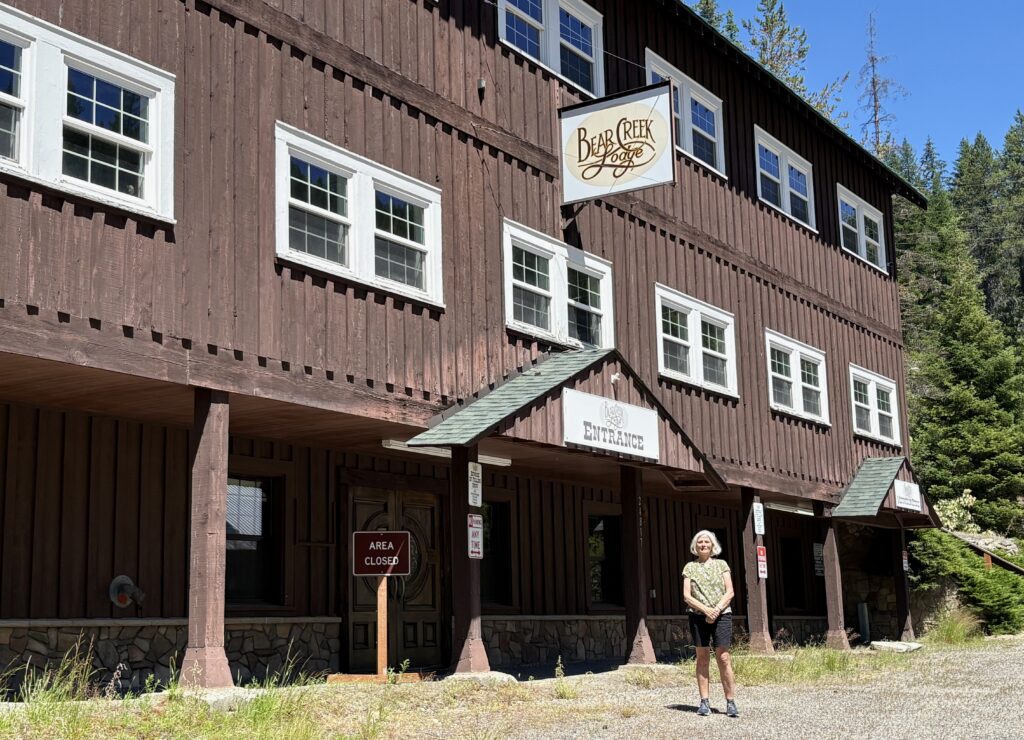
The state park was dedicated in 1927, benefiting from many donations of private land, including from Al Linder. It’s grown to over 12,000 acres—Washington’s largest—most recently in 2023 with the acquisition of the lodge and its 110 acres.
Deb is glad to see her family home become part of the park. She’s a big supporter of public lands and access. (Though she, along with many others, wishes that the lodge could be preserved in some way.)
In July, the Washington State Parks Commission approved the new Master Plan for Mount Spokane State Park. It’s exciting to see. (But please stay away from our huckleberry patch.) Good stewardship will take all our support, as more people are drawn to the mountain. Stewardship is our responsibility whether land is private or public. Our time passes quickly, but the land endures, and as the song “Solid Ground” by Dougie MacLean says, “you cannot own the land, the land owns you.”