Cover photo courtesy of The Northern Rockies Trail Project
After nearly eight years of planning, environmental review, permitting, design and collaboration, the first phase of the Honey Badger Project has opened on Canfield Mountain near Coeur d’Alene. The new 3.2-mile non-motorized trail marks the start of a long-term effort to expand recreation on the mountain through a partnership between the U.S. Forest Service, Lake City Trail Alliance and Northern Rockies Trail Project.
Phase One is only the beginning. Future phases will add about 10 more miles of non-motorized trail, 12 miles of new motorized singletrack and several miles of trail for 50-inch-and-under OHVs, building toward a more connected, thoughtfully planned multi-use system meant to serve a wide range of recreationists.
“For nearly eight years, this project has been driven by people who believed Canfield Mountain could better serve our community,” says Sean Brady, president of Lake City Trail Alliance. “It took patience, persistence and an incredible partnership with the U.S. Forest Service and Northern Rockies Trail Project to get here. Seeing the first phase open is rewarding, but what’s even more exciting is knowing this is just the beginning.”
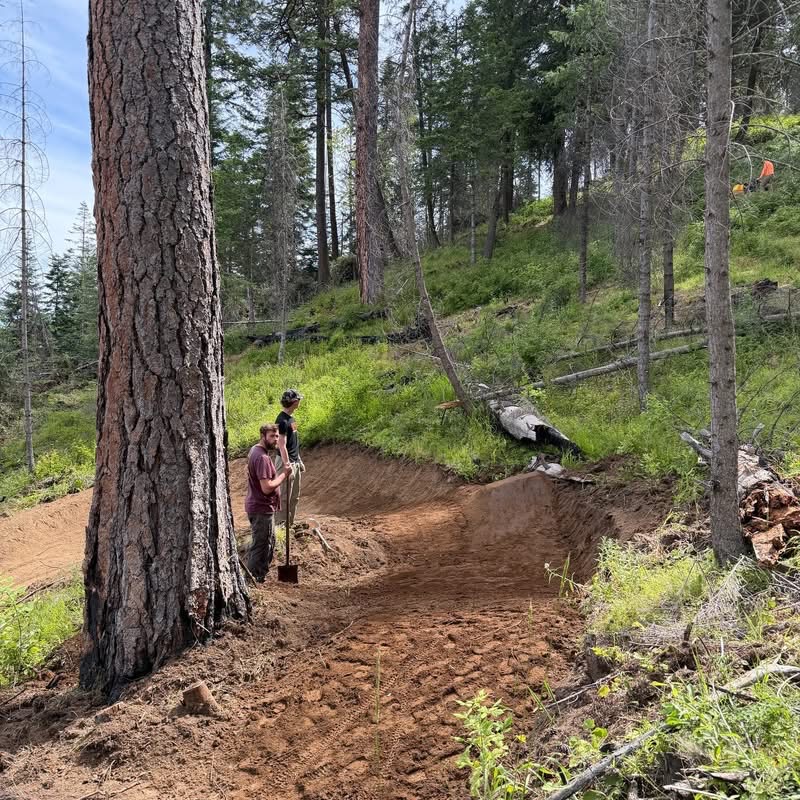
“The Honey Badger Project is a great example of what can be accomplished when local partners and the Forest Service work toward a shared vision,” says Josh Jurgenson, trails staff officer for Idaho Panhandle National Forest. “These kinds of partnerships allow us to accomplish more together than any one organization could achieve on its own.”
Lake City Trail Alliance and Northern Rockies Trail Project combined volunteers and professional trail crews with U.S. Forest Service resources and expertise to build the trail. Projects like Honey Badger create more opportunities for people to get outside, improve access to public land, support local jobs and strengthen the recreation economy—and by expanding the trail network, they help distribute use across the landscape, reducing congestion and improving the experience for everyone on Canfield Mountain.
The new trail is designated for non-motorized use only, and partners are asking motorized users to stick to trails built for that purpose. Purpose-built trails are designed for their intended use, creating safer, higher-quality experiences while reducing long-term maintenance needs. Partners are also restoring the landscape by closing unauthorized trail braids and switchback shortcuts that have developed over time. These unsanctioned routes often send water straight down the hillside, accelerating erosion and damaging vegetation, so protecting the designated trail helps keep it sustainable for decades to come.
“When we build trails, we’re not just creating places to recreate—we’re investing in our community,” says Emily Strizich of Northern Rockies Trail Project. As construction continues in the years ahead, the partners plan to keep expanding recreation opportunities on Canfield Mountain for hikers, runners, mountain bikers, dirt bikers, ATV riders, families and future generations of public land users. Learn more at Northernrockiestrailproject.org.