By Ammi Midstokke
Cover photo courtesy of Ammi Midstokke
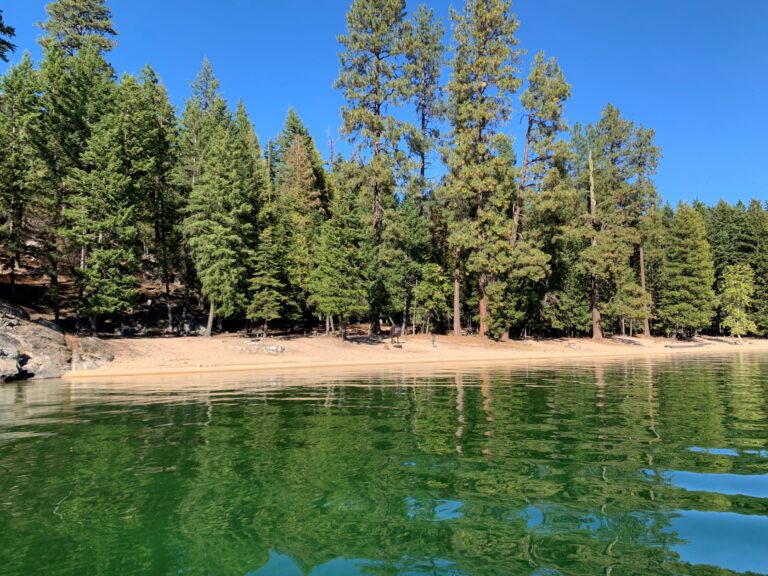
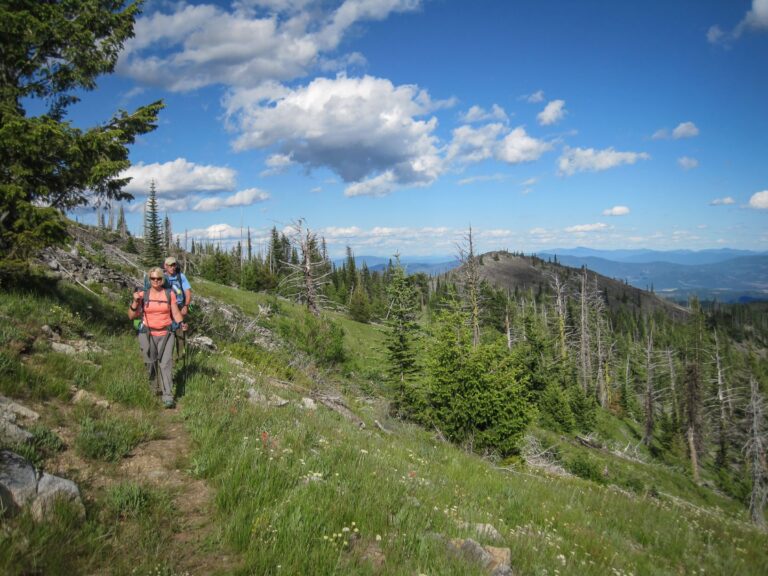
The soil smelled primordial. Petrichor, the electric air of rumbling water, granite scrubbed smooth. Hemlocks holding the sky up, a lumbering black bear, boulders covered in iridescent lichen. Pooled water in aquamarine blues. Wind from the sunbaked slopes blowing warm into the shaded canyon.
The forests of the Selkirk Mountain ecosystem are a place where one can imagine leaving the world behind and living off the land. They also carry stories older than memory: fires, floods, ice ages, extinct creatures, the ebb and tide of seasons and cycles longer than humans can imagine.
They are stories we have forgotten how to hear, and forbidden others to tell. Just as we lose evidence of what nature could be, once was, we are erasing the people and cultures who have known and carried that wisdom for generations and passed it from one to the next. When I read their stories, it is as though I read the eulogy of murdered possibility.

I had a Native American summer, not the long warm one we now refer to as a “second summer,” but one in which I immersed myself in the writings of Native Americans, from Tommy Orange to Joy Harjo to our beloved-but-disgraced Sherman Alexie.
It was Julian Brave NoiseCat’s “We Survived the Night” that rattled my insides: From the depth of his desire to bond with a shitty father and shitty father figures, to the painful and hilarious and truthful myths of the Coyote People, to the horrors of what we (yeah, we, the white colonialists) have done to eradicate a people, decimate their lands and deny the evidence of both.
To read the work of our First Peoples is to stare down the barrel of a gun they’ve been swallowing for over 400 years, to ask questions they were trying to communicate in now-lost languages. Why are we so greedy? What right do we have to take more fish than our share? Or plunder mountains for minerals? What will we do when it is all dead, dried up and barren?
We don’t seem to think that far ahead, a great weakness of the philosophy of Christianity, which justified the slaughter and isolation of a people, robbed them of their culture and replaced it with blame, booze and beige food.
When I set foot in these wild places, the few we have left, I imagine an entire continent that was once just this, a time when ecology and humanity were intertwined and synergistic. I wonder if we can still preserve these spaces and the knowledge within them, if we’ll learn from those original stewards of these lands and the stories they write today, those they shared for millennia before our belligerent arrival.
Brave NoiseCat’s stories tell of a time when the rivers ran so thick with salmon that they shimmered with their silvery bodies, and one could walk across their backs from shore to shore. They also tell of a people striving to reclaim, restore and renew not just their identity and sovereignty, but a harmony that honors the healing necessary between land and the humans on it.
We can’t reverse time, but we can stop the wounding. We can see it, acknowledge it and understand it. Only then can we participate in its undoing.
Ammi Midstokke spent last season finishing a forthcoming manuscript. This season, she’ll be communing with nature, praying for snow and endurance knitting.