Cover photo courtesy of Karie Lee Knoke
As winter loosens its grip and the landscape greens once again, spring invites us back outdoors onto forest trails and sun-warmed riverbanks. It’s a season of renewal, movement and exploration. But it’s also when scraped knees, sore muscles, bug bites and sun-kissed skin return.
Long before modern first aid kits existed, the land provided medicine. Many powerful healing plants emerge in spring, offering everything from wound care to pain relief. For foragers and outdoor enthusiasts alike, these essential herbs can turn a walk in nature into a living pharmacy.
St. John’s Wort is one of spring’s brightest healers, recognizable by its sunny yellow flowers that seem to hold light within their petals. Infused into oil, it becomes a rich red remedy prized for soothing nerve pain, easing inflammation and accelerating wound healing. It’s especially helpful for burns, sunburns and tender injuries where nerves are involved. St. John’s Wort lifts your soul when you’re feeling down.
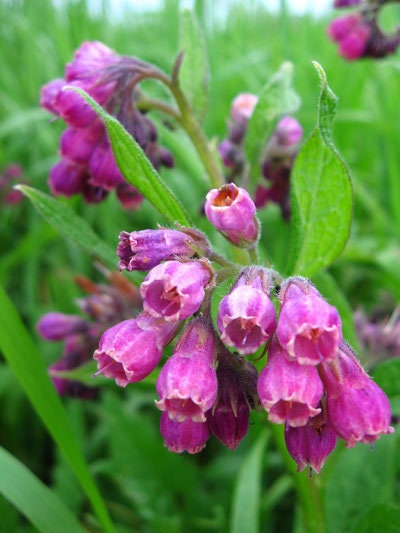
Nearby in gardens and wild edges alike, lavender brings beauty and calm. Its antibacterial, antifungal and antiseptic qualities make it excellent for cleansing minor wounds and preventing infection. As a nervine herb, it also settles anxiety and encourages restful sleep. A welcome ally after a long day outdoors.
For bruises and sore muscles, few plants rival arnica. Found in mountain meadows and creeksides, arnica stimulates circulation to injured areas, helping the body reabsorb bruising and reduce swelling. It’s a classic remedy for bumps, falls and overworked limbs, though it should never be applied to open wounds.
Along riverbanks and moist lowlands, cottonwood trees offer one of spring’s most overlooked medicines. Their sticky buds are rich in anti-inflammatory and pain-relieving compounds. Infused into oils or salves, cottonwood soothes sore muscles, eases joint pain and speeds healing for irritated skin. A true backcountry muscle rub.
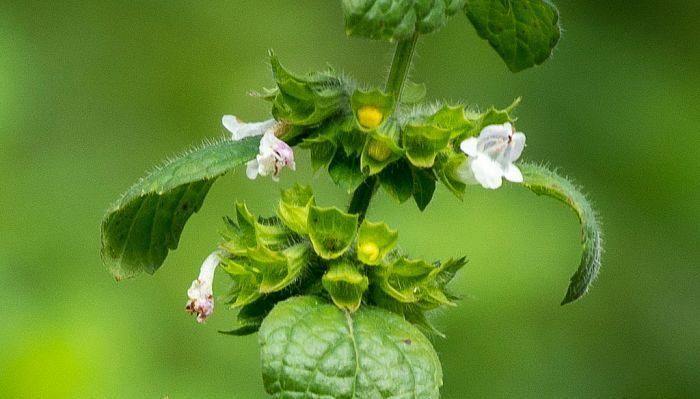
Lemon balm, with its fresh citrus scent, is a cheerful spring herb that lifts body and spirit. Known for its antiviral and antioxidant properties, it calms nerves, eases digestive discomfort and gently uplifts the mood. A simple tea after a long hike can ease stress and fatigue.
One of the most powerful tissue healers in the plant world is comfrey, often called “boneset.” High in allantoin, it promotes rapid growth of new skin cells and supports bone and connective tissue repair. Traditionally used externally for sprains, fractures and deep wounds, comfrey speeds recovery like few other plants.
Likely growing beneath your feet is plantain—not the banana-like fruit but the humble leafed herb found in lawns and trailsides. Plantain is a first aid superstar: antibacterial, anti-inflammatory and rich in soothing compounds that draw out venom from insect bites, calm stings and reduce swelling. Chewed and applied as a quick poultice, it’s a hiker’s best friend.
Delicate yet powerful, chamomile offers gentle healing for nerves and digestion. Its calming nature helps with anxiety, nausea, motion sickness and stomach upset. It’s a great way to calm kids when they’ve reached their overwhelm mark, perfect for campfire teas after long days of adventure.
For bleeding wounds, yarrow has earned its legendary status. Its astringent and coagulant properties help stop bleeding quickly while preventing infection. Crushed fresh leaves applied to cuts were once carried by soldiers and travelers alike.
Rounding out spring’s medicine chest is calendula, with its bright orange blossoms. A champion skin healer, calendula soothes rashes, cuts, burns and infections while supporting lymphatic movement and tissue repair.
Spring invites us to reconnect with the land and rediscover the wisdom growing all around us. As you hike, forage and explore, notice these healing allies emerging from the soil. With knowledge and respect, nature provides not only adventure but care, resilience and renewal.
Sometimes the best first aid kit is already blooming at your feet.
Karie Lee Knoke is a wilderness/primitive skills instructor and founder of Sacred Cedars Wilderness School. She was a contestant on the reality survival TV show “Alone Season 9” on the History Channel. Her book “Karie Lee’s Pocket Guide to Wild Foraging” will be published in April 2026. For more information, visit KarieLeeKnoke.com or follow her on Facebook @SacredCedarsWildernessSchool or Instagram @karie_lee_knoke.