By Rachel Toor
Cover photo courtesy of Rachel Toor
In 2002, after I’d written a few pieces for Running Times—a now-defunct publication for “serious runners”—I was invited to its 25th-anniversary celebration in D.C.
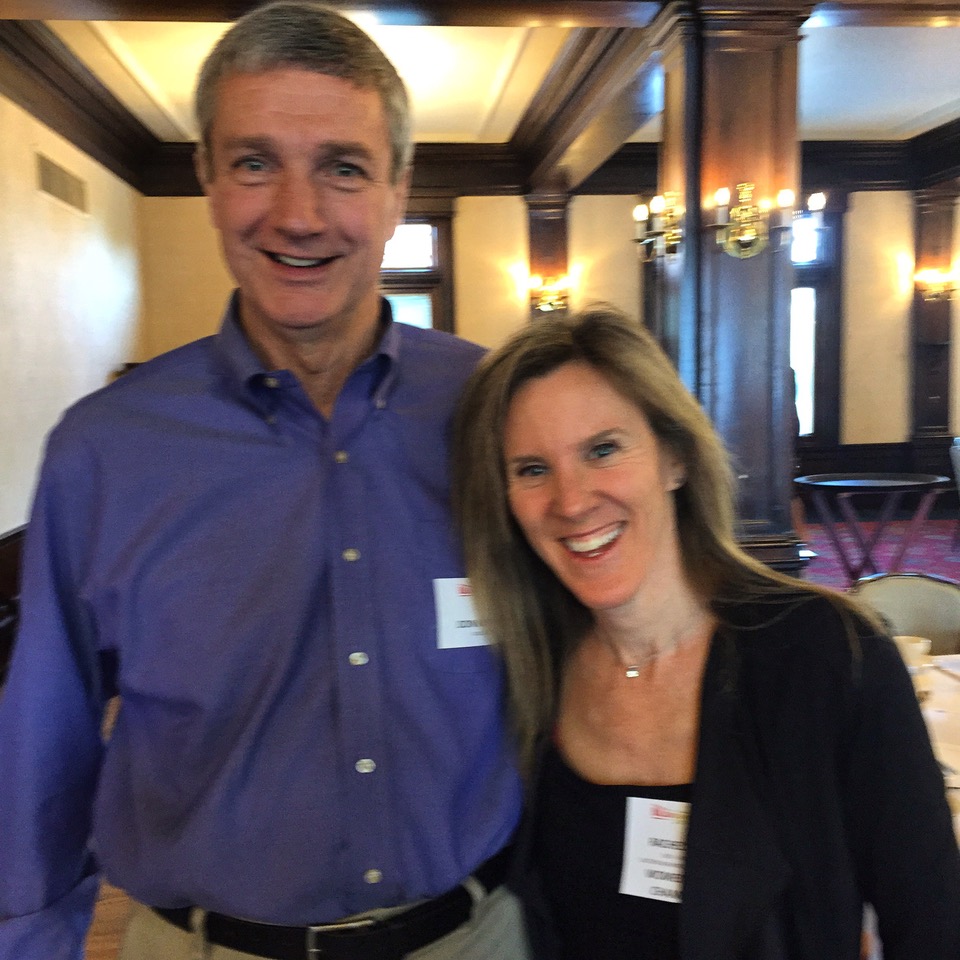
At that party, I met the editorial director (who would become my bestie) and the editor-in-chief (who brought me on as a senior writer and gave me a monthly column). Also attending was a tall guy, another writer at the magazine. Everyone crowded around him. It seemed like I should know who he was.
At that point, I knew zip about the history of distance running. I took it up at 30, living with an excellent runner who taught me to slow down enough not to hate every outing. I started entering races and occasionally, if they were small enough or no one faster showed up, I even won. Enough to write a piece for Running Times called “Did you win?” about the question my non-athletic brother and father asked after every race. I’m pretty sure they didn’t think I’d won the Boston Marathon—but who knows? Running is a niche sport.
So, I didn’t know, when I was introduced to that tall guy, that he was a celebrity in our small world. That he had competed in the Olympics—finishing in a heartbreaking fourth place in the marathon—was less interesting to me than the fact that he’d been an English major at Stanford and was a fine writer with many publications.
Four years later, I moved to Spokane and discovered that Don Kardong’s status as a local hero sat lightly on him.
The year after I’d settled into my teaching job at Eastern and had run my first Bloomsday, I interviewed the Olympian for Running Times. My first question to the founder of one of the biggest and, let’s face it, best road races in the country was why it didn’t take place on June 16, the day that forms the timeline of Ulysses, when Leopold Bloom wanders through Dublin.
Don told me he’d taken his inspiration from the book, but it was a “Joyce-lite” version. The course he designed was, I wrote in my piece, “meant to tax modern-day heroes, reminding them of the struggles and exultations of daily existence.”
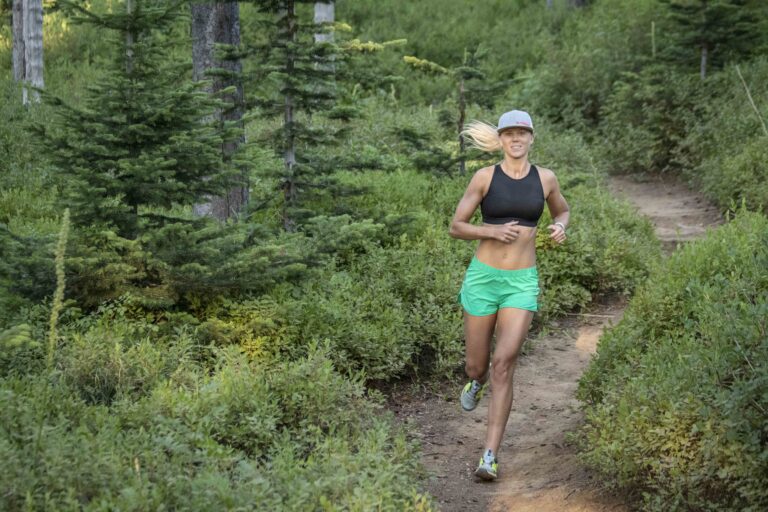
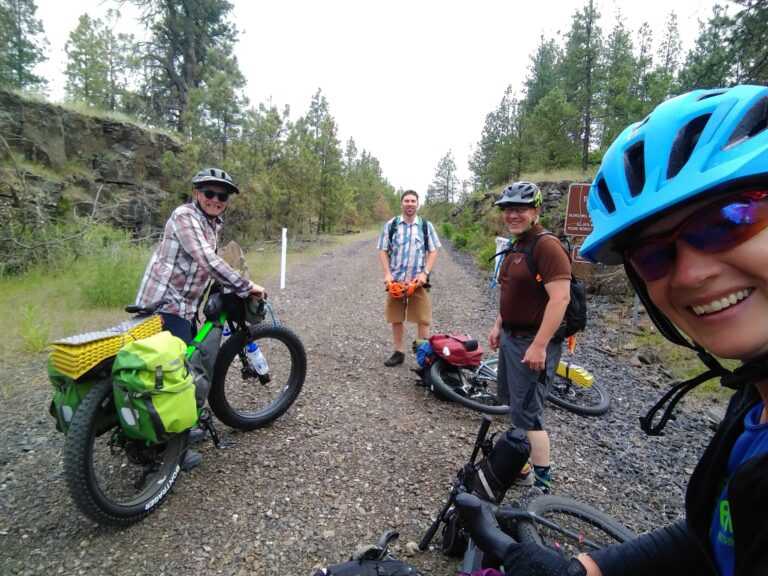
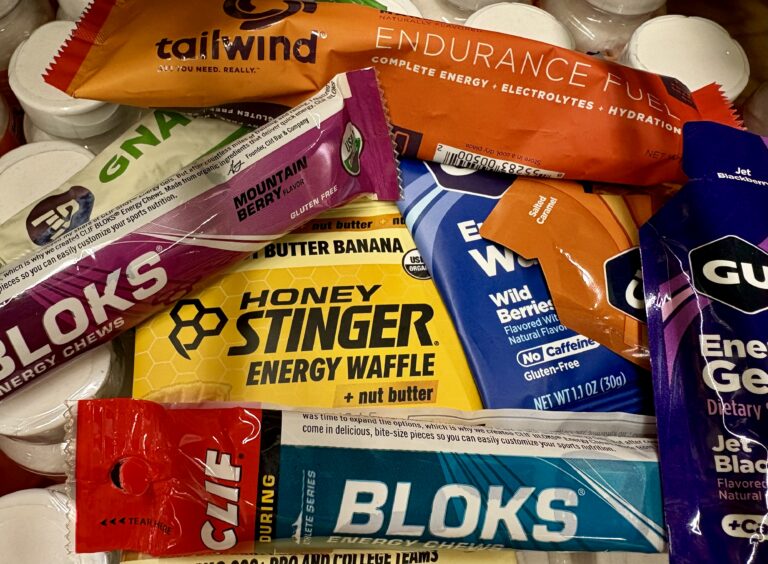
Years later, when I was training for a marathon and was 16 miles into a hot, horrendous run on the Fish Lake Trail, two cyclists stopped and offered me some water. Dehydrated and bleary, I didn’t recognize the faces under the helmets. Then Don introduced me to his wife as the person who had written the best piece on Bloomsday. Who needs electrolytes and gel when you get a confidence booster like that? I practically flew for a few miles. Even now, I replay that compliment in my head when I’m running poorly.
Bloomsday put Spokane on the map as a world-class race destination, but more important, it became a glorious community event that brings people together for a morning of civic pride under usually sunny skies. Don chose a distance that is challenging but not impossible for many.
Fifty years ago, he created something that outlasts any race result (or Olympic medallion), something that now belongs more to the city than to him. It’s a joy to thank him for that, year after year, as I join thousands of others in this celebration of community, literature (if you know, you know), and the simple act of putting one foot in front of the other—a tradition that reminds me why, despite all the other great places I’ve lived, Spokane has become a home I love.
Rachel Toor still teaches at EWU but no longer races Bloomsday for the Corporate Cup team. She is now happy to slog it out and enjoy the run from the middle of the pack.