Winter hiking at lower elevations in northern climates doesn’t require an expedition mindset, but you should definitely prepare and bring the essentials. Avid winter hikers and organizations like the Washington Trails Association always emphasize that winter risks often come from small oversights, not dramatic mistakes.
What to Wear Winter Hiking
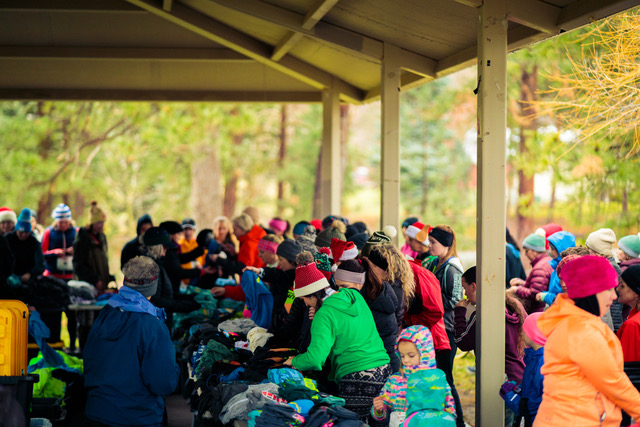
Start with layers that are appropriate for the outside temperature and weather conditions but not bulky. A moisture-wicking base layer, an insulating midlayer, and a wind- and water-resistant shell allow you to manage sweat and sudden weather changes. Damp cotton is one of the most common causes of winter discomfort and cold stress. If it’s really cold out, consider packing an extra warm layer like a puffy jacket or fleece that will come in handy if you get delayed on the trail for some unexpected reason.
Staying Safe on Slick Winter Trails
Traction devices are another key recommendation. Even snow-free trails often hide shaded ice, especially along rivers and north-facing slopes. Many local search-and-rescue groups point to traction and trekking poles as simple tools that prevent slips from turning into injuries.
Winter Hiking Essentials to Have in Your Pack
Because daylight is limited at northern latitudes in the winter, a headlamp belongs in every winter pack, even on short hikes. Add extra calories and water (insulated bottles help prevent freezing), and warm accessories like a hat and gloves, which can make the difference between comfort and a rushed turnaround.
Finally, winter safety experts agree on the basics: carry a charged phone, a simple first-aid kit, a trail map (ideally a paper map that will still work if your phone dies) and tell someone where you’re going. In winter, the margin for error is thinner—but with the right essentials, it’s still a magical season to be outside.