By Chris Maccini
Cover photo courtesy of Shallan Knowles
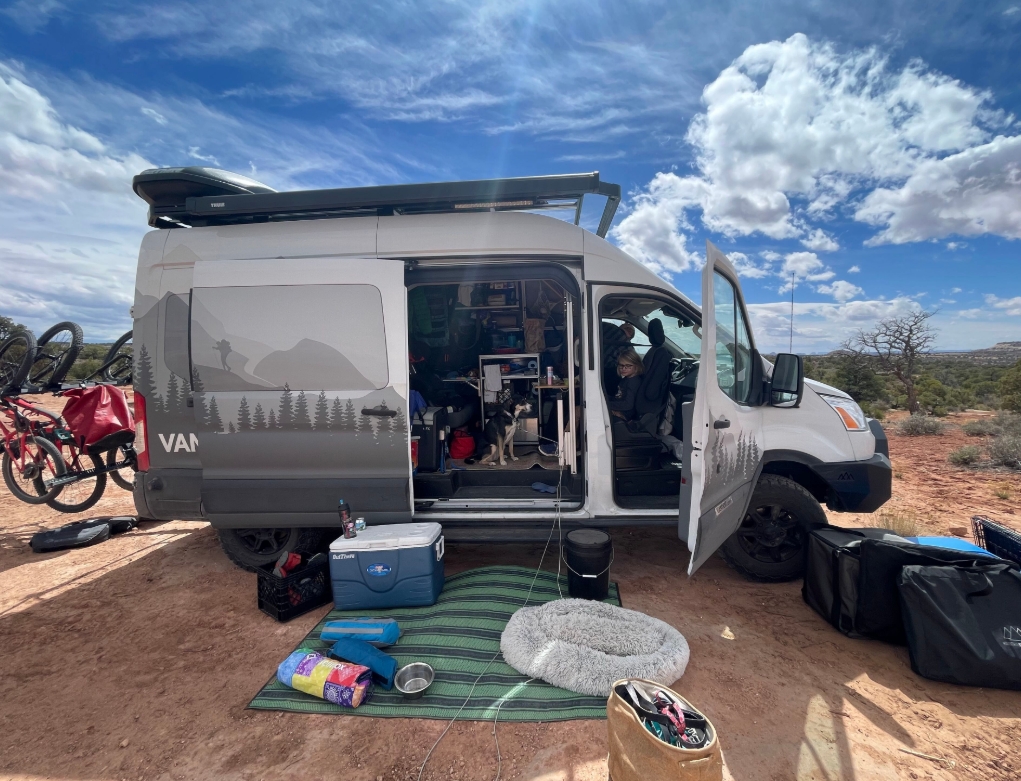
Have you ever dreamed of owning your own adventure vehicle? Maybe a campervan or a rugged, four-wheel-drive truck built for long-distance, off-grid backroad travel and camping. Whether you’re into weekend outings to your local state park campground or looking to take longer trips in the backcountry, the appeal of a self-contained vehicle that can provide not just transportation, but also a bedroom, kitchen and more is undeniable.
Of course, you can go out and purchase a fully-equipped campervan or overland vehicle, but with sticker prices often well over $100,000, that option is prohibitively expensive for many dreamers. The other, more popular option is to build out your own adventure vehicle.
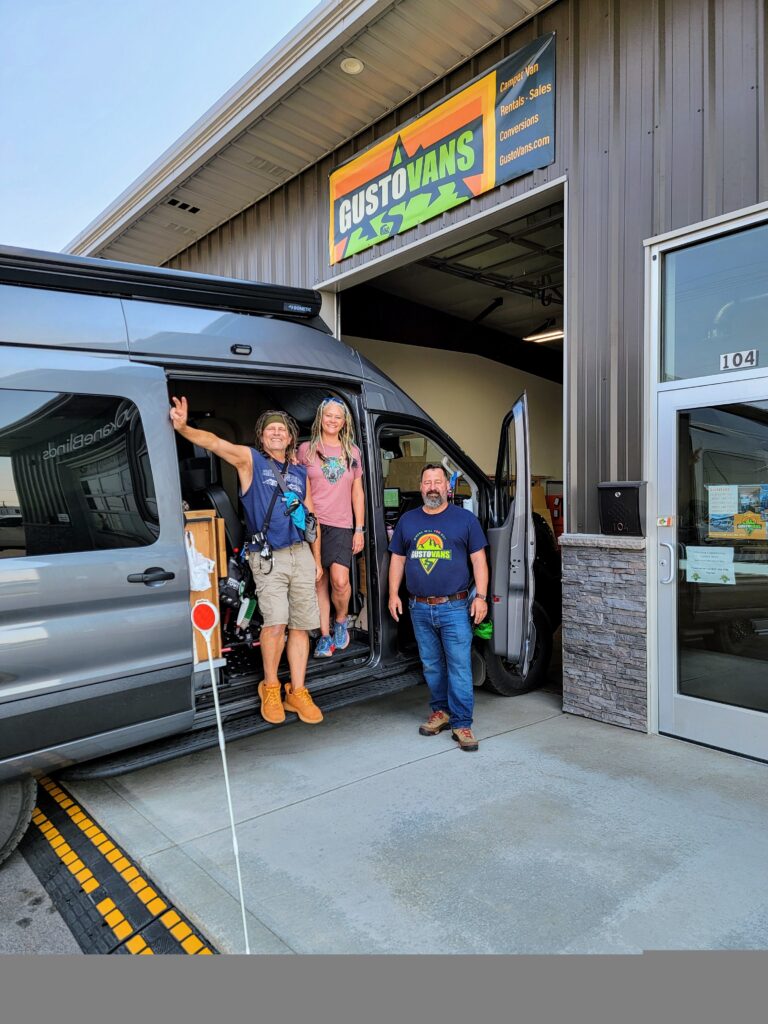
Mike Gustafson is a bit of a local expert in that department. In 2020, he founded Gusto Vans, located in Spokane Valley. Prior to starting the company, Gustafson had been dreaming of building his own campervan. When he got laid off from his job during the COVID pandemic, he decided to take the opportunity to build the van he’d always dreamed of and start a business where he could rent the van to other people to recoup some of the costs.
What began as a van rental business quickly evolved into much more. Gustafson built a small fleet of rentals and then began designing and building vans for other dreamers like him. Now, nearly six years later, Gusto Vans is moving away from the rental business and focusing on building vans and selling overlanding gear. His shop specializes in everything from full buildouts to helping DIYers with specific portions of their build, whether that’s planning or installing systems like plumbing, electrical and more. They also sell kits and parts for adventure vehicles of all kinds.
Tips for Adventure Vehicle DIYers
With all that experience in mind, we asked Gustafson for some tips he’d give folks who are looking to build their own DIY adventure vehicle. Here’s what he said:
Make a Plan: The biggest mistake Gustafson sees is people who start buying and installing things in a vehicle before planning out the whole project. So, before you do anything, make a plan. Ask yourself some basic questions: How many people will the vehicle need to hold? Do you just want a place to sleep and a way to charge your phone? Or are you looking for heating, air conditioning, lights, refrigeration and plumbing?
And remember, it’s much easier to plan for more than you think you’ll want, rather than having to go back and add it later. For example, Gustafson says, “You might not want an air conditioner, but you might want one in the future. So it’s good to get the wiring up in there because that way, you’re not tearing out walls and ceilings to try to get power to the unit later.”
And if you’re unsure where to start, ask a pro. Gustafson and his team at Gusto Vans offer free 30-minute consultations to help people plan out their dream vehicle.
Don’t Skimp on Quality: When looking for materials to DIY a campervan or overland vehicle, there are a lot of options. You might think that starting at your local hardware store or big-box outdoor retailer would be a good idea. But, Gustafson says, it’s much better to go with products that are specifically designed for use in vehicles. Sometimes RV dealerships or marine supply stores can be a good place to start, but the quality can vary widely. Do your research and make sure that you’re getting a good product that can stand up to things like changes in temperature and humidity.
Most importantly, anything that goes into an adventure vehicle needs to be properly secured. Gustafson says, “You have to build that van or overland vehicle in a way that it could be in a crash. You don’t want batteries or heavy items to be flying around if you get in an accident.”
Ventilation, Ventilation, Ventilation: According to Gustafson, airflow is one of the most often overlooked areas when people are building their own adventure vehicle. If you’re going to be sleeping in an enclosed space, there’s going to be humidity. A ventilation fan is a good way to deal with that problem. But even something as simple as a fan needs to be well thought out. Gustafson says, “A lot of people don’t realize that if you put a fan in and you turn it on, if you don’t have any windows that open, then that fan’s basically not able to move any air.”
Be Realistic About Your Skills: Building your own adventure vehicle takes a fair amount of skill in areas such as carpentry, plumbing and electrical. Before you start on a project, be realistic about what you can safely do yourself versus what you might want to bring in a professional to do. If you’ve got a basic level of confidence with power tools and a willingness to learn, there’s a lot you can do yourself. But depending on your experience, Gustafson says, there are some areas best left to the pros. “Knowing something about 12-volt electricity is pretty important because you can do it wrong and it can be a disaster, really. It’s just a fire waiting to happen. That’s probably the biggest thing.”
Chris Maccini is a writer and audio producer. This summer you’re likely to find him sailing his 12-foot boat on Inland Northwest lakes or biking the trails in and around Spokane.