By Adam Gebauer
Cover photo courtesy of Adam Gebauer
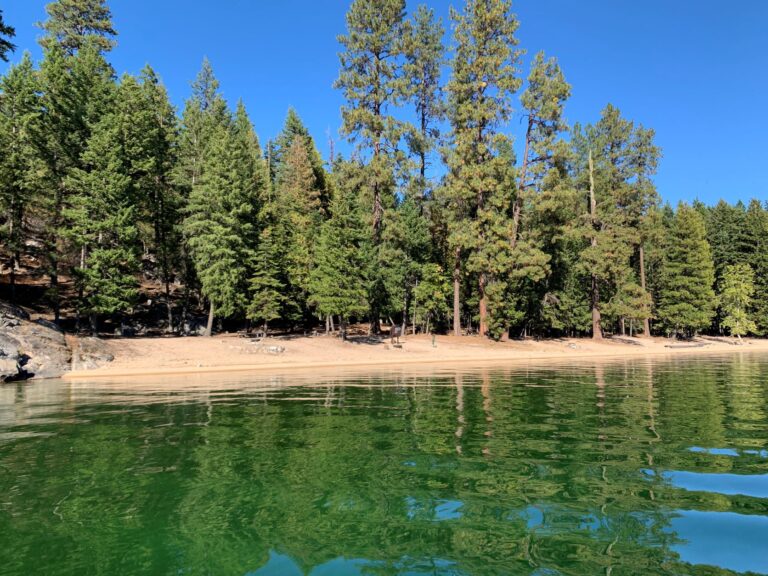
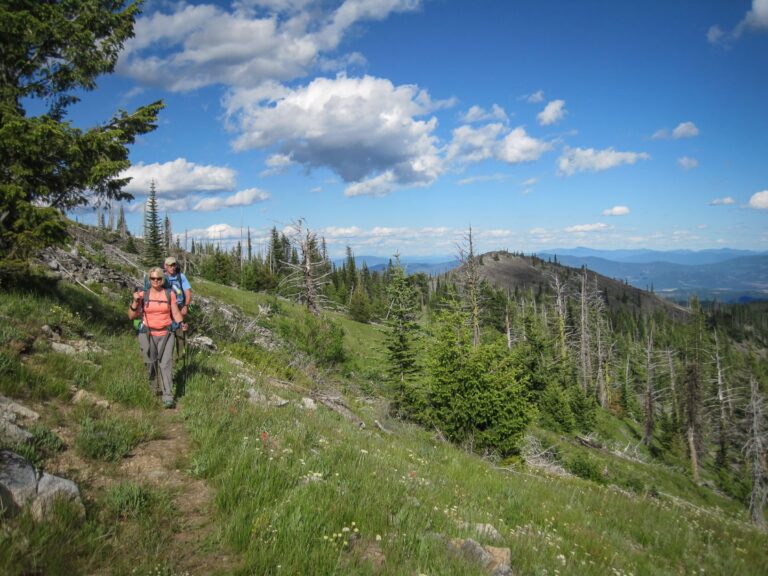
Picture a stand of large ponderosa trees with thick black and red puzzled bark, spaced far apart so their canopies don’t touch, grasses growing in the understory with a few sparse shrubs and saplings. This is the type of habitat that is shaped by frequent, low-intensity fire. There are no ladder fuels or an accumulation of wood on the forest floor to carry fire up into the crowns of trees. This type of forest is the goal of many prescribed burns in our dry east side ponderosa pine forests.
Fire has shaped the landscapes of Eastern Washington, as it has with many of the landscapes across North America. Some studies have estimated that 60% of North America historically experienced regular fire intervals. Prairie fires prevented trees from encroaching and returned nutrients to the soil. Fires in western forests opened up the canopy to create meadows and propagate new trees, reduced the number of trees per acre and allowed grasses to grow in the understory. But different landscapes have evolved with different fire return intervals that are affected by climate, elevation, aspect and the plant species present. Subalpine forests would see fires every 300 to 400 years, whereas ponderosa pine forests had fires every 1 to 125 years.
Unfortunately, fire suppression has been occurring in North America for almost 200 years, from outlawing tribal members from conducting cultural burning to federal policies that have focused largely on suppression. But, along with naturally occurring fire from lightning, people have been using fire to manipulate their environment for tens of thousands of years. Tribes in the region would burn meadows to increase camas yields or reduce tree cover in huckleberry patches. These manipulated fires would improve forage for large game and open up sight lines to improve hunting. Fires were also used for ceremonial practices and tribes had a close community connection to this tool.

The lack of fire has altered many landscapes and therefore habitat for wildlife. In mid-elevation forests in the Inland Northwest, there is a lack of open forest conditions that support the aspen and grasslands preferred by grizzly bears, ungulates and wolves. Fires produce snags that support white-headed woodpeckers. They reduce thatch, the dead grass and pine needles, creating a connection with seeds and the soil. Ponderosa pines prefer to germinate on mineral soil and areas where the sun gets to the forest floor. Species like lodgepole pine have serotinous cones, meaning they only open to release their seeds when exposed to heat from a forest fire.
Prescribed fire, the carefully planned and intentionally implemented practice of lighting fire, can help these landscapes accept naturally occurring, low-intensity fire. Other benefits of prescribed fires include wildfire hazard reduction, controlling competing vegetation, thinning and release of crop trees, disease control, site preparation, increasing the quantity and quality of forage for livestock grazing and managing and improving wildlife habitat.
The first time you get to wield a drip torch or dig a containment line, you come to understand all the planning and experience that is needed to execute a prescribed burn. When you return to the site the next season, you can see the regeneration of seedlings and grasses and the hoof prints of deer and moose moving through the area. Many prescribed and cultural burns can be events that bring the community together to put good fire back on the landscape.
Adam is gearing up for ski season by trying to stay uninjured. He has several backcountry ski trips planned to the far north and far east.